Welcome to the Bird and Nature Photography of Jumbo Williams.
Why take photographs?
My motivation is to celebrate nature and share the fun with others.
What are we thinking?
Paleontologists have recorded five mass extinctions in the past 600 million years, the period spanning the history of modern life-forms in the sea and on land. We are now in the throes of a sixth extinction, unofficially termed the Anthropocene, a consequence of human activities.
E.O. Wilson pointed out that the average life span of a species and its descendants has been from 1 to 10 million years. The time taken for the loss in diversity to be restored by natural species formation has been 5 to 10 million years. He writes: “All this tells us that humanity is carelessly throwing away the Creation and relinquishing the chance to regain it”.
Can we continue the conversation?
The current US Administration has radically altered America’s environmental policies by dismantling regulations on air pollution, water pollution, and greenhouse gas emissions. They have rejected and defunded climate science, withdrawn from international climate accords, promoted fossil and nuclear fuels while opposing renewable energy both locally and abroad, and diminished the Federal Emergency Management Agency. (New York Times, 12/22/2025.)
On July 29th 2025, Lee Zeldin, the administrator of the Environmental Protection Agency (E.P.A.), said the E.P.A. planned to rescind the 2009 declaration, known as the endangerment finding, which concluded that planet-warming greenhouse gases pose a threat to public health. Without the endangerment finding, the E.P.A. would be left with no authority under the Clean Air Act to regulate the greenhouse gas emissions that are accumulating in the atmosphere from the burning of fossil fuels.
The International Court of Justice disagrees. It issued a landmark opinion on July 23rd 2025, stating that countries have a legal duty to protect people and ecosystems from the "urgent and existential threat" posed by climate change.
Katharine Hayhoe, a climate scientist, advocates for grassroots action. “For climate action to happen at scale, conversations have to move beyond international summits to what’s happening in our communities, our workplaces, and our organizations. And there, change isn’t something we wait for; it’s something we catalyze. Essays by Jonathan Foley and Tina Swanson of Project Drawdown expand on these concepts.
Author and climate activist Bill McKibben recently wrote: “For the moment, there’s not a lot to do in Washington, except try to play defense. But there’s plenty that can happen at the state and local level.” In his latest book, McKibben proposes that renewables are more than a path out of the climate crisis: they offer a chance to reshape societies - sun and wind energy is everywhere and available to all.
My tiny blog joins the many voices that attempt to foster awareness of nature’s bounty and the profound impact of Homo sapiens upon the Earth’s interconnected systems. Perhaps, as more people choose to connect the dots, attitudes and priorities may adjust.
If you want an indigenous perspective, read Robin Kimmerer’s "Braiding Sweetgrass”. Kate Marvel provides a scientist’s opinion.
Galleries
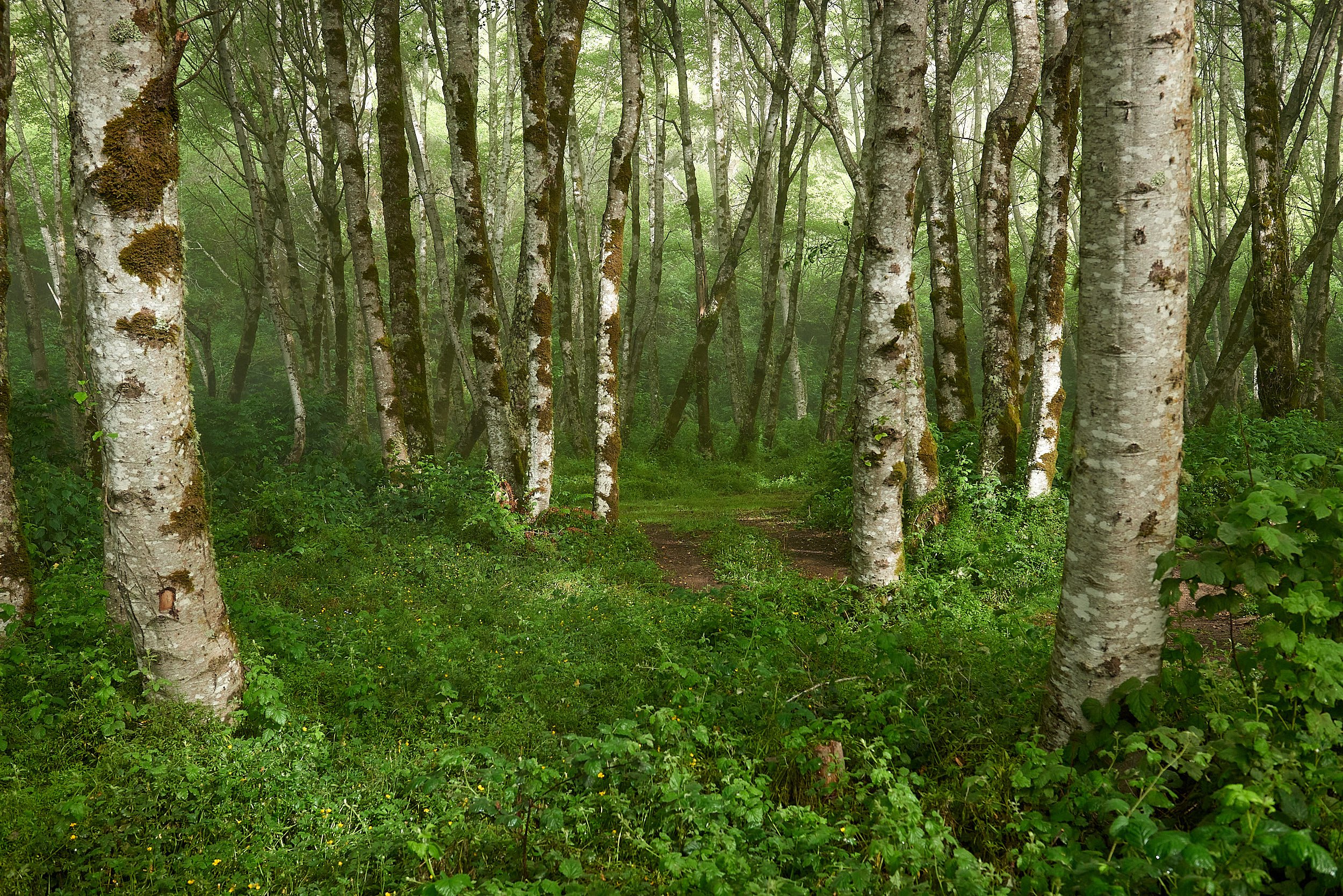
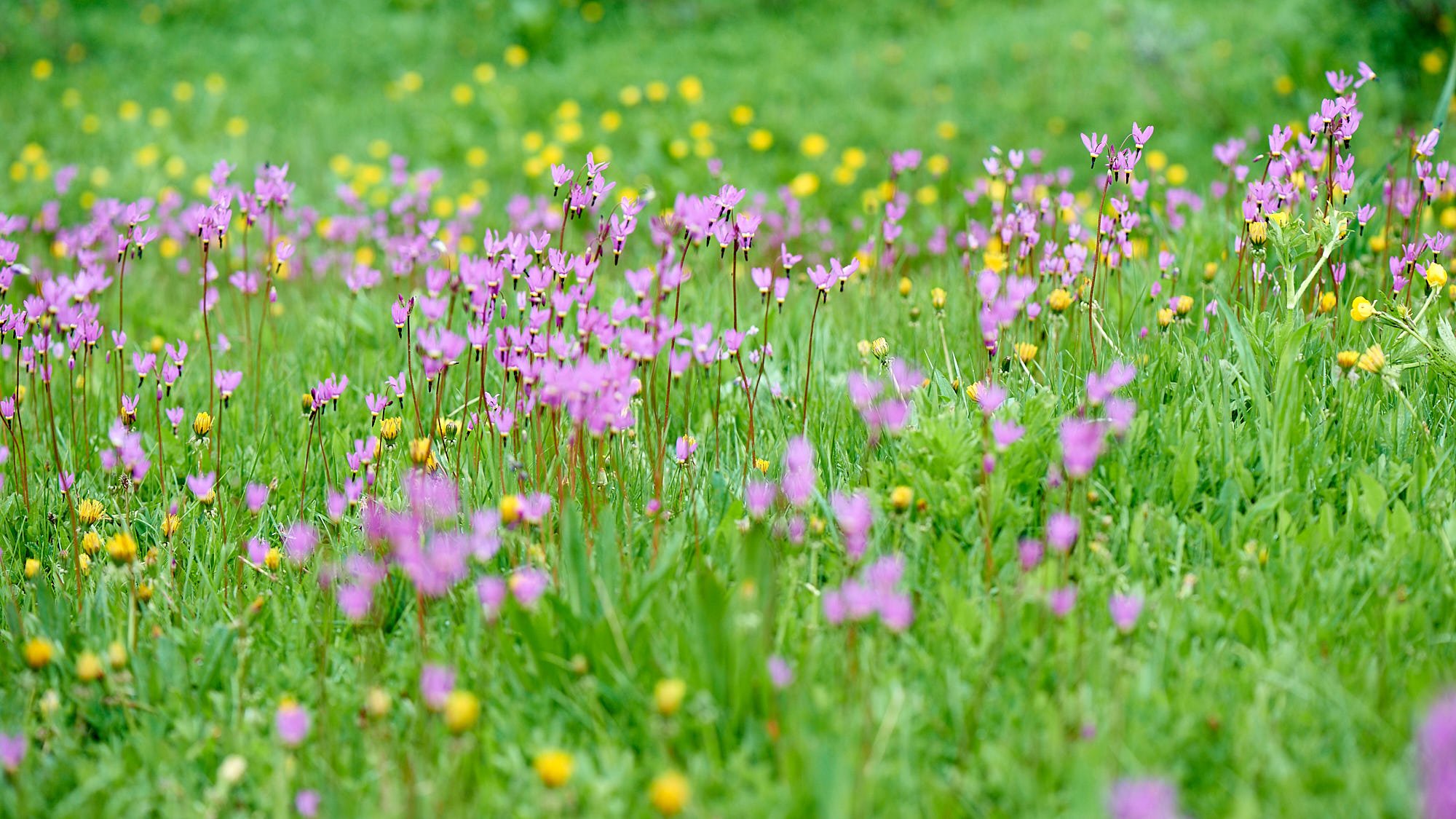
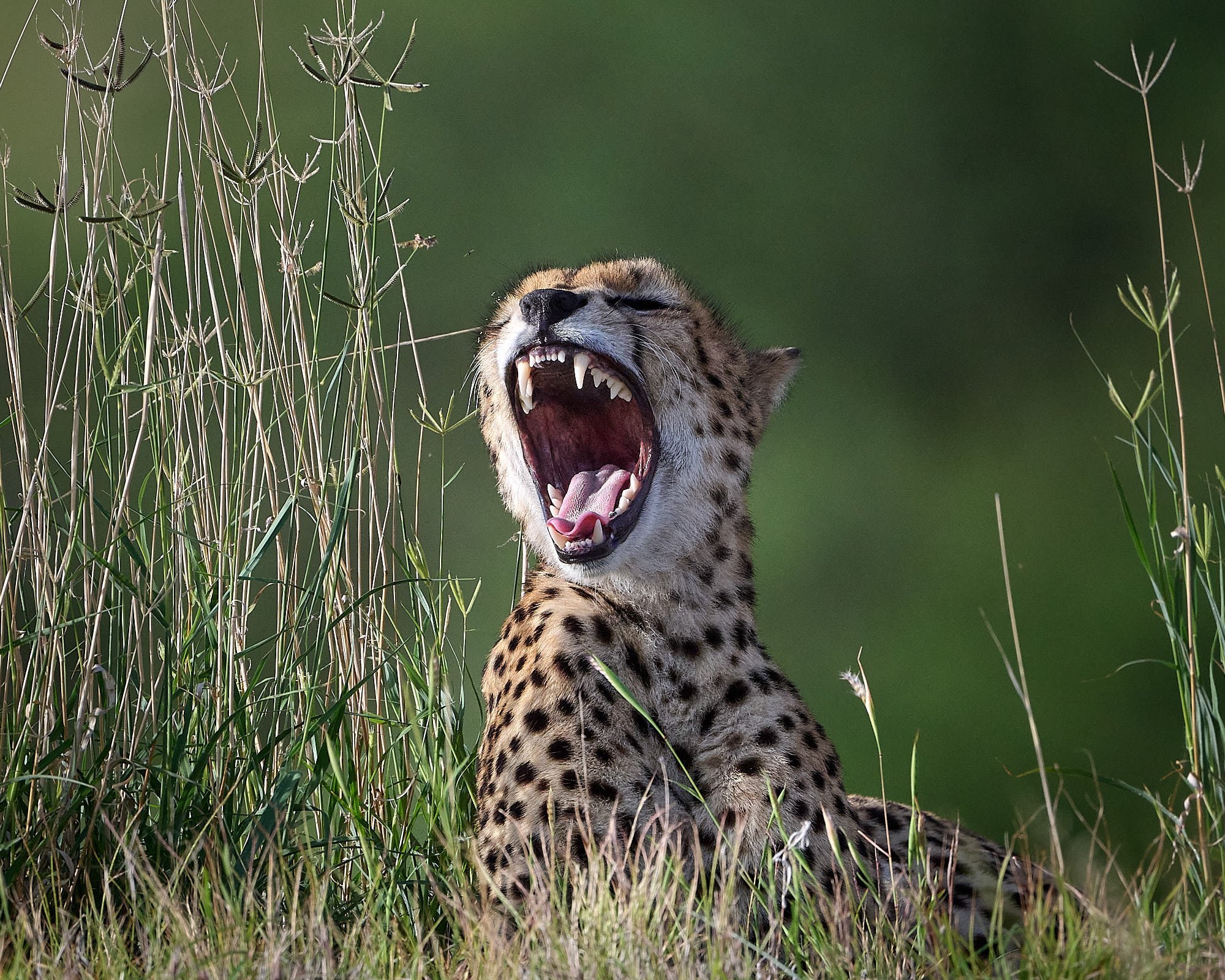
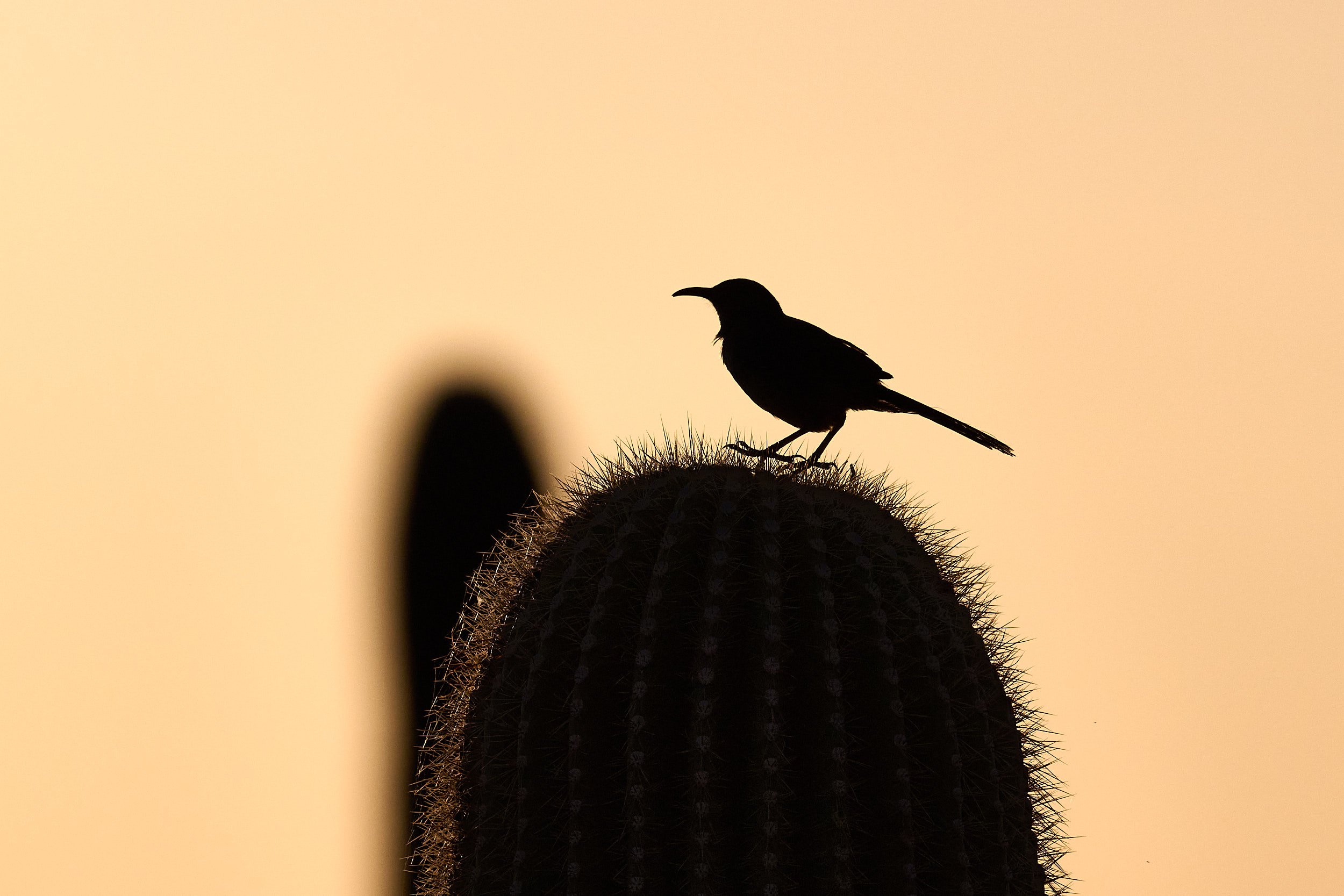
I hope to convey the dazzle, smell, and awe of what’s out there. My photographic focus is on fleeting moments, glimpses into the natural world. They are ubiquitous and precious.
Our road adventures are presented in the blog. Travel at a slow pace permits a more intimate connection to life on our planet.
Please enjoy!
Jumbo